
If you’re facing foreclosure or the possibility of losing your home, it can feel like everything is happening to you with little control. But in some cases, there’s an option that allows you to take back some of that control.
It's called—cash for keys. Even when a home in foreclosure is headed toward sale, agreements like cash for keys can help homeowners transition out of their property with dignity.
Instead of going through a stressful eviction process, homeowners may be able to negotiate an agreement with the lender to leave the property on agreed terms in exchange for financial assistance.
This can help cover moving costs, reduce disruption, and give homeowners the space to plan their next step with clarity instead of urgency.
It’s not just about leaving—it’s about leaving on better terms, and with a path forward already in motion.
Handling a Range of Emotions While Making Informed Decisions
The foreclosure process simply put, is the action of taking possession of a mortgaged property when the mortgagor (homeowner) fails to keep up their mortgage payments.
While you're going this process, it can feel like the ground beneath you has shifted. A sense of panic may kick in and relevant questions may begin to surface quickly, like — What happens next? Do I have any options? How do I move forward from here?
The foreclosure process can be intimidating, especially when legal notices and deadlines arrive with little explanation. Many homeowners feel overwhelmed by the system and unsure where to turn for reliable information.
And at the center of it all is the home itself — the place where you've lived, worked, celebrated milestones, and built memories. The thought that this home may soon belong to someone else can be one of the most painful realities of the foreclosure process.
That's why it's important to arm yourself with knowledge that can be used balance what may seem like an avalanche of bad news, with something a little more positive.
Once a foreclosure notice is received and a sale date has been scheduled, you may not have a lot of time to act.
Since time is something you may not have a lot of, it's important to make as many informed decisions as possible. Decisions that will give you the best outcome possible based on your unique situation.
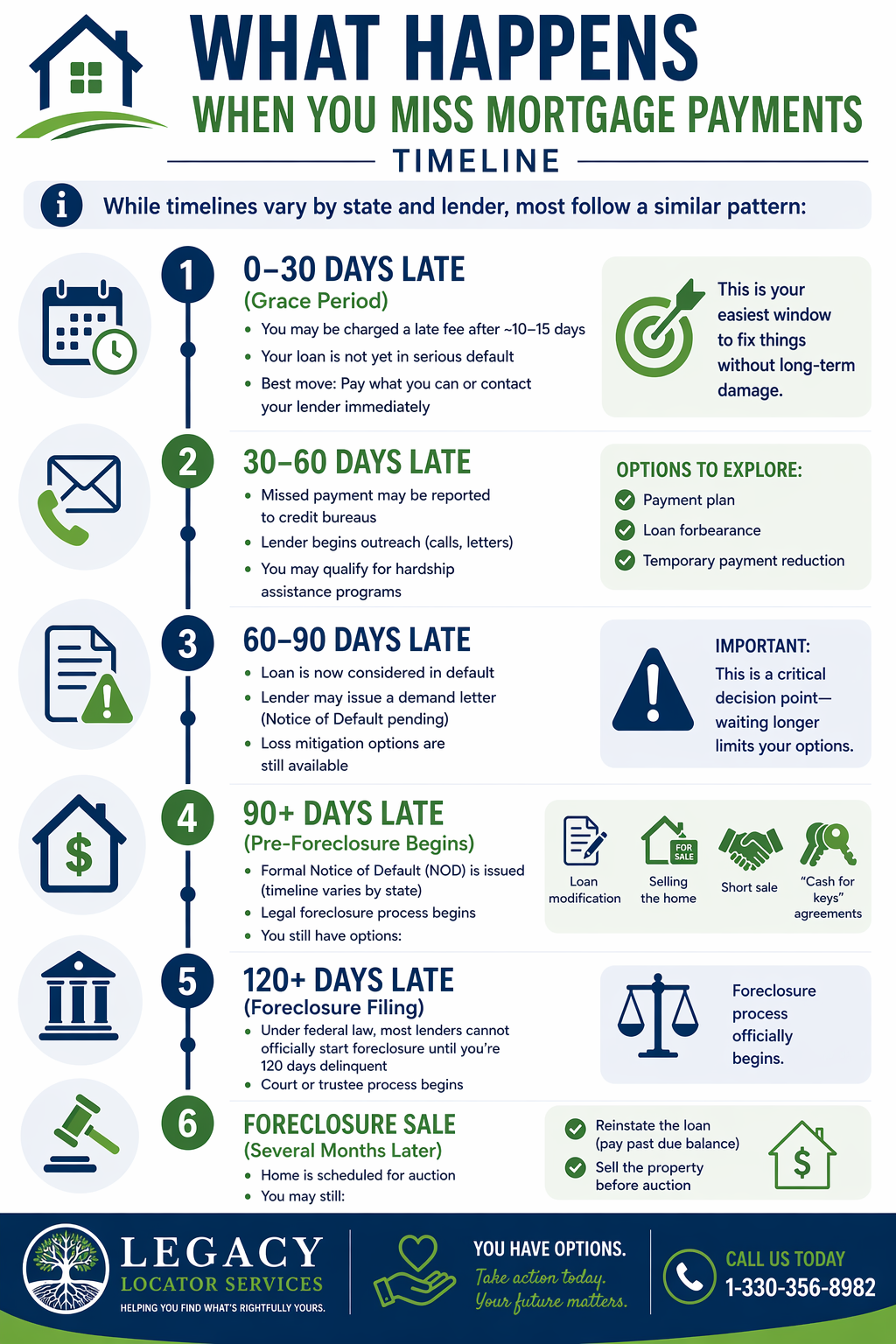
Cash for Keys... What Is It?
Why Cash for Keys Might Be an Option for Homes in Foreclosure
legacylocatorservices.com
Key Aspects of Cash for Keys:
- Purpose: Lenders use this to regain possession quickly and ensure the property is not damaged, often when formal eviction would take too long.
- Incentive: Occupants typically receive a payment to help cover moving expenses or a security deposit on a new place.
- Conditions: To receive the money, the occupant must move out, leave the home "broom clean," and turn over the keys by a set deadline.
- Negotiation: Occupants can often negotiate the amount, especially if they have found a new place and can vacate quickly.
How Cash for Keys Agreements Work After Foreclosure
When a home in foreclosure is sold at auction, ownership transfers to the person or company that placed the highest bid.
When this happens, many homeowners assume they will immediately be forced to leave the property. While this is certainly a possibility, there may be other options.
While you shouldn't count on this happening, because it may not happen... the reality is that for the new owner, the process of removing occupants can take time.
And new owners often prefer to avoid lengthy eviction proceedings.
One option that can sometimes arise in this situation is an arrangement known as “cash for keys.”
The reason we advise not to count on it, Cash for Keys is a voluntary agreement where the new property owner offers the former homeowner (or occupant) money in exchange for leaving the property by an agreed-upon date, returning the keys and the property in good condition.
While it may not change the outcome of the foreclosure itself, this type of agreement can sometimes make the transition easier for everyone involved.
Why Some New Owners Prefer Cash for Keys Instead of Eviction
When a property sells at a foreclosure auction, the new owner — whether it is a bank, investor, or third-party buyer — may need the property to be vacant before they can:
renovate the home
list it for sale
rent the property
secure the property for insurance purposes
If the previous homeowner remains in the home, the new owner typically has to start a formal eviction process, which can take weeks or months and involve legal costs.
Because of this, many buyers prefer a faster and less confrontational solution. Offering a cash-for-keys agreement can help avoid eviction while allowing the homeowner time to relocate.
What a Cash for Keys Agreement Usually Looks Like
While every situation is different, these agreements typically include a few basic elements:
- A move-out date
The homeowner agrees to leave the property by a specific date. - A payment amount
The new owner offers a payment once the property is vacated and inspected. - Property condition requirements
The home usually needs to be left in reasonably clean condition with no intentional damage. - Key return
Once the homeowner vacates the property and returns the keys, the payment is provided.
The amount offered can vary widely depending on the property, the local market, and how quickly the new owner wants possession. In some situations, it may be a few hundred dollars, while in other cases it could be several thousand.

Can Homeowners Negotiate Cash for Keys After a Foreclosure Sale?
Cash-for-keys arrangements are usually initiated by the new property owner or their representative, but homeowners can sometimes ask about the possibility as well.
If your home has already been sold, you may be contacted by:
the new owner
a real estate agent representing the buyer
a property management company
an attorney handling the transition
If you are interested in discussing this option, you might ask questions such as:
whether the new owner plans to pursue eviction
whether they would consider a voluntary move-out agreement
whether a relocation payment might be available in exchange for leaving the home by an agreed date
Approaching the conversation calmly and cooperatively can sometimes lead to a more productive outcome.
Important Things Homeowners Should Understand
A cash-for-keys agreement is voluntary, and it does not erase the foreclosure or change ownership of the property. However, it can sometimes provide practical benefits, such as:
- additional time to plan a move
- financial assistance with relocation costs
- avoiding the stress of an eviction proceeding
Because foreclosure laws vary by state, homeowners may want to consult an attorney or housing counselor if they are unsure about their rights or options.
Wrapping It Up
Losing a home through foreclosure can be one of the most difficult financial experiences a person can face.
But even during this process, understanding how different parts of the system work — including things like foreclosure auctions, and relocation agreements such as cash for keys — can help homeowners make more informed decisions about their next steps.
If you’re offered a cash for keys agreement, check your local rules to make sure the deal is legal.
You can also talk to an attorney or HUD-approved housing counselor to understand your rights and options.
You might also consider the following that may apply when considering a Cash for Keys deal:
- Written disclosures in multiple languages
- Time for the homeowner to think about the offer
- Stipulations that apply to the homeowner's ability to cancel a cash for keys agreement after signing
Sometimes, simply having clear information can make a challenging situation feel a little less uncertain.
Discover Your Options When Faced with a Foreclosure Auction
If you’d like a clear explanation of how foreclosure auctions work — and why some homeowners aren't aware of all their options — our free guide is a "must-have".
Simply click the button below and enter your email to receive instant access.